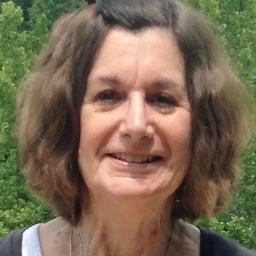
Barbara Vincent, LCSW
Compassionate, practical therapy for life transitions
Opens BetterHelp in a new tab, where you can review online therapy options.
- Attachment-focused
- Skill-oriented
- Trauma-informed
About Barbara
Barbara has worked across hospitals and community mental health settings. That background means she has supported people living with mood disorders, trauma, and identity-related concerns. She also helps with stress, relationship problems, addiction, grief, and life transitions like midlife change.
In the room she draws on attachment-based ideas to look at how early relationships shape current patterns. She uses client-centered methods to keep sessions focused on each person's goals. Cognitive behavioral techniques and skills from dialectical behavior therapy are used when practical steps or emotional regulation are needed.
Barbara also brings eye movement desensitization and reprocessing, or EMDR, when trauma memories are part of the problem. Her style is hands-on and multisensory at times, using exercises beyond talking to deepen understanding.
People who choose her can expect a collaborative pace. She helps build skills and insights that address the presenting concern and carry over to other life areas. To begin, clients complete a short matching questionnaire and schedule sessions according to availability.
Areas of expertise
Primary focus
Also works with
Additional focus areas
Therapeutic approaches
Experience
15+ years
Credentials
Missouri
Languages
English
Approaches that guide online care
Barbara draws on attachment-based work to look at how early bonds shape current behavior and relationship patterns; this can help when people feel stuck in repeating dynamics. She also uses client-centered therapy, which keeps the session focused on the client's priorities and natural pace. Cognitive behavioral therapy offers practical tools for changing unhelpful thoughts and behaviors and is often used for anxiety, depression, and stress.Finding the right approach is part of the work together. The therapist will discuss goals and try practical strategies while checking what feels useful. Decisions about which methods to use are collaborative and can change over time as needs shift.
If you are considering online work, confirm available session formats before booking. The main practical benefit is fitting therapy into everyday life - sessions can often be arranged to work around work, caregiving, or travel. Online work can also make it easier to have a shorter check-in or to avoid camera use when that helps someone stay focused. Ask about current session options so scheduling and format match your routine and goals.
Frequently asked questions
What concerns does Barbara address?
She helps people with mood disorders such as bipolar and depression, anxiety, trauma and abuse, relationship and intimacy issues, and challenges like grief, addiction, ADHD, and midlife change.
How would you describe her therapeutic style?
Her style is collaborative and person-centered. She follows the client's lead while introducing skills and multisensory techniques when helpful.
What is her professional background?
Barbara has 15 years of experience working in private and state hospitals and community mental health centers, supporting people with chronic mental illness and life transitions.
What credentials and location does she hold?
She is a Licensed Clinical Social Worker (LCSW) licensed in Missouri and practices there.
Which languages are supported?
Sessions are offered in English.
Are international clients accepted?
International clients are not currently accepted.
How are sessions scheduled and what about cost?
Session cost varies with location and therapist availability and uses a subscription that can be canceled at any time.
How do I start therapy with her?
Use the Start Therapy button, complete a short matching questionnaire, and then schedule sessions according to the therapist's availability.