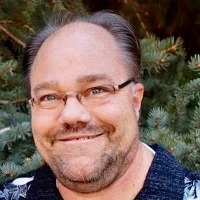
Brandon Woffinden, LCMHC
Practical, steady support for life transitions
Opens BetterHelp in a new tab, where you can review online therapy options.
- Direct compassionate care
- Skills focused
- Mindfulness tools
About Brandon
He earned a Master of Science in Clinical Mental Health Counseling from the University of Phoenix and brings ten years of professional experience. Before counseling, he spent a decade in law enforcement, which shaped his interest in resilience and support for people with trauma and first responder concerns.
In sessions he leans on practical tools such as cognitive behavioral strategies and dialectical behavior approaches. He also uses mindfulness, guided breathing, meditation, and cognitive reframing to address symptoms and daily challenges. Brandon incorporates interventions from different therapy styles to match what a person needs in the moment.
He is comfortable talking about identity and LGBT concerns, relationship and intimacy difficulties, parenting stress, career transitions, and coping with chronic illness or caregiving strain. Brandon also helps people working through abandonment, attachment questions, body image, and communication problems.
Brandon holds the Utah Licensed Clinical Mental Health Counselor credential, LCMHC. Sessions are offered in English and provided from his practice in Utah. To begin, readers are invited to use the Start Therapy process and complete a short matching questionnaire before scheduling.
Areas of expertise
Primary focus
Also works with
Additional focus areas
Therapeutic approaches
Experience
10+ years
Credentials
Utah
Languages
English
Therapeutic approaches suited to online therapy
Brandon commonly uses cognitive behavioral therapy, which focuses on identifying and changing unhelpful thoughts and behaviors. CBT is often used for anxiety, depression, stress, and coping with life changes and gives practical skills to use between sessions.He also draws on dialectical behavior therapy techniques that teach emotion regulation, distress tolerance, and better interpersonal skills. DBT tools can be helpful when strong emotions or relationship difficulties get in the way of daily life.
Finding the right approach is part of the work together. The therapist will talk with each person about goals, preferences, and what feels useful. Sessions can combine methods and adapt over time so the plan fits the person rather than forcing a single style.
Confirm current session options before booking since specific formats are not listed here. Online therapy can make it easier to fit sessions around work and family demands, reduce travel time, and allow shorter check-ins when that is helpful. Ask about available scheduling patterns and how sessions are structured to find a routine that fits everyday life.
Frequently asked questions
What concerns does Brandon commonly address?
He works with stress, anxiety, addiction, trauma and abuse, grief, depression, bipolar symptoms, ADHD, and midlife changes among other issues.
What is Brandon's approach in sessions?
He uses client-centered listening alongside practical techniques from CBT and DBT, plus mindfulness and breathing exercises to help people manage symptoms and daily challenges.
How much clinical experience does he have?
He has ten years of professional experience, including a previous ten-year career in law enforcement before entering counseling.
What credentials and location apply to his practice?
He holds the LCMHC credential (Licensed Clinical Mental Health Counselor) in Utah, and his practice is based in Utah.
Which languages are sessions offered in?
Sessions are offered in English.
Can international clients work with him?
International clients are not currently accepted.
How are sessions priced and billed?
Cost varies with location and therapist availability; sessions use a subscription that can be canceled at any time.
What do I do to start working together?
Use the Start Therapy button, complete a short matching questionnaire, and schedule a session according to therapist availability.