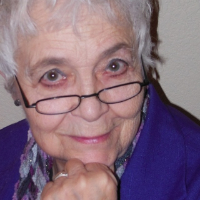
Dr. Carol Carrell, LMFT
Midlife perspective with relational focus
Opens BetterHelp in a new tab, where you can review online therapy options.
- Practical guidance
- Skill-based work
- Relational focus
About Carol
Dr. Carrell uses clear, straightforward conversations to identify what matters most to each person. She draws on client-centered methods to follow a person's lead, and she blends cognitive behavioral techniques to reshape unhelpful thinking. Dialectical Behavior Therapy tools are used when emotion regulation and distress tolerance are needed.
Her background includes work with caregivers, people facing chronic illness or pain, and those navigating LGBTQ concerns. She has supported people through trauma, abuse, and addiction, and has experience with relationship and family-origin difficulties. That variety informs how she tailors sessions to practical goals.
Dr. Carrell also brings academic experience as a professor and clinical supervisor. That perspective emphasizes clear explanations, skill practice, and honest feedback during sessions. She encourages clients to try small changes between meetings and to track what helps.
In sessions she focuses on building trust and improving communication. She aims to help people find manageable steps for change and to recognize personal strengths. Therapy is presented as a collaborative effort toward goals the client sets.
Areas of expertise
Primary focus
Also works with
Additional focus areas
Therapeutic approaches
Experience
30+ years
Credentials
California, Arizona
Languages
English
Therapeutic approaches that translate to online work
Client-centered therapy focuses on listening and following a person's priorities. It helps people clarify what matters to them and feel heard, which can be useful for relationship concerns and life transitions. Cognitive Behavioral Therapy, or CBT, looks at links between thoughts, feelings, and behaviors and teaches practical exercises to reduce anxiety and depression symptoms. Dialectical Behavior Therapy, or DBT, offers concrete skills for managing intense emotions and improving distress tolerance and communication.Choosing the right approach is a collaborative process. The therapist will discuss goals and try different methods to see what fits best. Decisions about methods and pacing are guided by the client's needs and preferences, not by a single fixed model.
Confirm the current online session options before booking, as formats are not listed here. Online therapy can make it easier to fit sessions into a busy routine, shorten travel time, and allow for focused check-ins between obligations. People often find it simpler to practice skills learned in sessions during everyday life, which can help integrate changes more quickly.
Frequently asked questions
What concerns does Dr. Carrell address?
She supports people with stress, anxiety, depression, relationship and family issues, grief, addiction, caregiver fatigue, chronic illness concerns, and midlife changes.
What is her therapeutic style like?
The approach is conversational and practical, combining client-centered listening with skill-based techniques to change thinking and manage strong emotions.
How long has she practiced?
She has 30 years of experience working in clinical settings, teaching, and supervising other clinicians.
What credentials and region apply?
She is a licensed marriage and family therapist with licenses in California and Arizona and practices out of California.
Which languages are supported?
Sessions are offered in English.
Can international clients work with her?
International clients are not currently accepted.
How are session costs handled?
Fees vary by location and therapist availability; sessions use a subscription model that can be canceled at any time.
How do I begin working together?
Use the Start Therapy button, complete a short matching questionnaire, and schedule based on the therapist's availability.