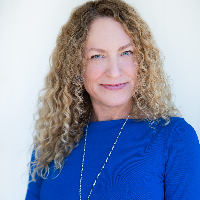
Catherine Ladd, LCSW
Midlife transitions and grief support
Opens BetterHelp in a new tab, where you can review online therapy options.
- Grief and loss
- Stress and anxiety
- Practical coping skills
About Catherine
With ten years of experience that include hospice care and private practice, she draws on that background when working through loss, anticipatory grief, and end-of-life concerns. She also supports people dealing with relationship strain, low self-esteem, career shifts, compassion fatigue, and other stresses that come with midlife transitions.
In sessions she uses Cognitive Behavioral Therapy, Motivational Interviewing, and Solution-Focused Therapy. These approaches are selected to match the problem at hand and the person's goals. Sessions are conversational and goal-oriented, with an emphasis on skills people can use between meetings.
People can expect a relaxed, nonjudgmental space where the therapist listens closely and offers clear, practical techniques. She often combines short-term strategies for coping with emotion and longer-term planning for changes people want to make.
Reaching out is described as a courageous first step. When someone is ready, the therapist works collaboratively to set priorities and find manageable steps toward a more satisfying daily life.
Areas of expertise
Primary focus
Also works with
Additional focus areas
Therapeutic approaches
Experience
10+ years
Credentials
North Carolina
Languages
English
How Catherine Uses Therapy Approaches Online
Cognitive Behavioral Therapy (CBT) helps identify unhelpful thoughts and habits and then teaches practical steps to change them. It is often used for anxiety, low mood, and stress so people can try small behavior changes and track results. Motivational Interviewing focuses on a person's own reasons for change and helps resolve mixed feelings about taking action. That approach can be useful for career shifts, habit change, or decision-making when someone feels stuck.Finding the right approach is part of therapy. Catherine works together with each person to decide which method fits their needs and goals. The process is collaborative - she listens to what matters most and adjusts tools and pacing to match the person's preferences.
Confirm the current session formats before booking, as the biography does not list specific online options. Online work can make it easier to fit meetings into a busy week, allow shorter check-ins when needed, and reduce travel time so sessions are more consistent. It can also let people continue support while navigating caregiving duties, medical appointments, or work changes. Licensed professionals tailor session length and focus to what helps each person make steady progress.
Frequently asked questions
What kinds of problems does she help with?
Catherine focuses on grief and loss, anticipatory grief, anxiety, and midlife changes. She also helps with relationship concerns, self-esteem, career shifts, and compassion fatigue.
What is her therapy style like?
Her approach is relaxed, open, and compassionate. Sessions are conversational and aim to teach concrete skills people can use between meetings.
How much clinical experience does she have?
She has ten years of experience working in hospice care and private practice. That background informs how she supports grief and end-of-life concerns.
What are her credentials and where is she based?
She is a Licensed Clinical Social Worker, LCSW, licensed in North Carolina. Her practice is based in North Carolina.
Which languages are supported for sessions?
Sessions are offered in English.
Can international clients work with her?
She does not accept international clients at this time.
How is payment handled and what does therapy cost?
Cost varies with location and therapist availability. Sessions use a subscription that can be canceled at any time.
How do I get started?
Select the Start Therapy button, complete a short matching questionnaire, and schedule according to therapist availability.