MidlifeTherapists.com

Therapist listings are provided by BetterHelp. We will earn a commission at no additional cost to you if you use our links to purchase.

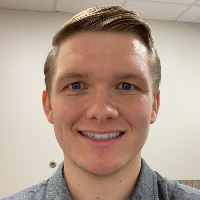
Christopher McKethan

Christopher McKethan, LISW

Therapist · South Carolina · 5+ years of experience

Practical, person-focused therapy for life transitions

Continue with Christopher

Opens BetterHelp in a new tab, where you can review online therapy options.

  • Values-based work
  • Relationship focus
  • Stress and anxiety

About Christopher

Christopher McKethan is a Licensed Independent Social Worker (LISW) based in South Carolina with five years of clinical experience. He frames therapy around each person, meeting them where they are and focusing on practical steps toward clearer goals. He works with people facing stress, anxiety, depression, trauma, identity questions, relationship concerns, and midlife shifts. Christopher has worked in a range of clinical settings since graduating from the University of South Carolina in 2016. That variety gave him experience with diverse people and different challenges, including severe and persistent mental illness through his role coordinating an intensive community mental health clinic. He also has experience collaborating on care for couples and families when that is part of a person's goals. His sessions aim to be interactive and personalized. Christopher combines acceptance and commitment ideas with cognitive and mindfulness tools to help people notice patterns, make values-based choices, and try new behaviors. He uses emotionally-focused and client-centered approaches to strengthen connection and clarity around relationship and intimacy concerns. People often come to him for help with life transitions, career stress, grief, sexual satisfaction, body image, ADHD, and compassion fatigue. He also addresses adoption and foster care issues, attachment and abandonment wounds, and communication or commitment difficulties. Christopher emphasizes the work clients do between sessions as part of change. He aims to create an affirming space where clients can test new habits, build self-compassion, and move toward greater agency in life decisions.

Areas of expertise

Primary focus

Stress, AnxietyLGBTTrauma and abuseBipolar disorderDepression

Also works with

Relationship issuesFamily conflictsGriefIntimacy-related issuesSelf esteemCareer difficultiesCoping with life changesCoachingCompassion fatigueADHD

Additional focus areas

AbandonmentAdoption and foster careAging and geriatric issuesAntisocial personalityAttachment issuesAvoidant personalityBDSM, kink, and alternative sex cultureBlended family issuesBody imageChronic pain, illness, and disabilityCo-morbidityCodependencyCommitment issuesCommunication problemsControl issuesCoping with natural or human-caused disasterDependent personalityDisruptive Mood Dysregulation Disorder (DMDD)DissociationDivorce and separationEmptinessFamily of origin issuesFamily problemsFirst responder issuesForgivenessGender dysphoriaGuilt and shameHIV / AIDSHoardingImmigration issuesImpulsivityInfidelityIsolation / lonelinessLife purposeMen's issuesMidlife crisisMoney and financial issuesMood disordersNarcissismObsessions, compulsions, and OCDPanic disorder and panic attacksPersonality disordersPolyamory / non-monogamous relationshipsPost-traumatic stressProcess addiction (porn, exercise, gambling)Seasonal Affective Disorder (SAD)Self-harmSelf-loveSex addictionSexual dysfunctionSexualitySocial anxiety and phobiaWomen's issuesWorkplace issuesYoung adult issues

Therapeutic approaches

Acceptance and Commitment Therapy (ACT)Client-Centered TherapyCognitive Behavioral Therapy (CBT)Emotionally-Focused Therapy (EFT)Mindfulness TherapyMotivational InterviewingPsychodynamic TherapySolution-Focused TherapyTrauma-Focused Therapy

Experience

5+ years

Credentials

South Carolina

Languages

English

Approaches that translate well to online work

Acceptance and Commitment Therapy (ACT) focuses on helping people clarify what matters to them and take small committed steps toward those values. It helps with anxiety, stress, life transitions, and decision-making by encouraging practical experiments and new behaviors. Cognitive Behavioral Therapy (CBT) breaks problems into thoughts, feelings, and actions and uses practical exercises to change unhelpful patterns. CBT is useful for depression, anxiety, and coping with life changes. Client-Centered Therapy emphasizes understanding and validation from the therapist so people can explore identity, self-esteem, and relationship concerns at their own pace.

Finding the right approach is part of the work. The therapist will collaborate with each person to choose which methods to use based on goals, preferences, and what seems to help in early sessions. That collaborative process helps tailor tools and homework to everyday life.

Online therapy can make it easier to fit sessions into a busy schedule and to keep consistent momentum between appointments. Because session formats are not listed here, confirm current options before booking. The focus is on practical benefits: scheduling that matches work or caregiving demands, shorter check-ins when needed, and the ability to continue work when travel or relocation occurs. Licensed professionals can use the same ACT, CBT, and client-centered techniques effectively through remote sessions when the approach fits the person's needs.

Frequently asked questions

What kinds of problems does he help with?

He helps people facing stress, anxiety, depression, trauma, relationship and intimacy issues, identity questions including LGBT concerns, career or life transitions, grief, and ADHD related challenges.

What is his therapeutic style like?

His style is interactive and client-centered, combining acceptance and commitment ideas, cognitive behavioral tools, mindfulness, and emotionally-focused methods to match the person's goals.

What experience does he bring to sessions?

He has five years of clinical experience and coordinates an intensive community mental health clinic serving people with severe and persistent mental illness.

Where is he licensed and based?

He is a Licensed Independent Social Worker (LISW) in South Carolina and completed graduate study at the University of South Carolina in 2016.

Which languages are supported?

Sessions are offered in English.

Can people outside the U.S. work with him?

International clients are accepted; confirm any regional details when scheduling.

How are costs and billing handled?

Costs vary by location and therapist availability, and sessions use a subscription that can be canceled at any time.

How do I begin working with him?

Use the Start Therapy button, complete a short matching questionnaire, and schedule according to the therapist's availability.

Christopher McKethan Online therapy options on BetterHelp

Continue with Christopher