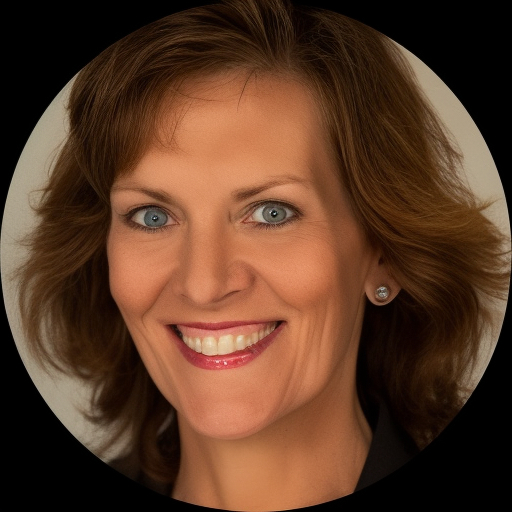
Dr. Darlene Groomes, LPC
Compassionate, practical counseling for life transitions
Opens BetterHelp in a new tab, where you can review online therapy options.
- Client-centered care
- Skills-based tools
- Life transition focus
About Darlene
She combines client-centered listening with hands-on techniques. That includes cognitive-behavioral ideas and mindfulness practices to help people notice thoughts, try new behaviors, and build healthier routines. She also uses emotion-focused and dialectical strategies when emotions feel overwhelming or relationships are strained.
Her background includes work with trauma, loss, disability-related concerns, family issues, and body image challenges. She has experience supporting people facing career shifts, parenting strains, and questions of life purpose. She brings four years of clinical practice to these areas and emphasizes practical steps clients can use between sessions.
In sessions she aims to create a direct and accepting space. She listens, validates the experience, and helps clients identify goals they want to reach. If a different kind of clinician would be a better match, she will provide referrals to local resources.
Dr. Groomes asks clients to be active participants in therapy. That may include short skills practice, tracking patterns, or setting small, achievable goals. Her work is focused on clear, usable changes people can try in their daily lives.
Areas of expertise
Primary focus
Also works with
Additional focus areas
Therapeutic approaches
Experience
4+ years
Credentials
Michigan
Languages
English
How her approaches fit into online therapy
Client-Centered Therapy focuses on listening and building a collaborative relationship. The therapist offers an accepting, nonjudgmental space and follows the client’s lead to identify goals and steps to reach them. Cognitive Behavioral Therapy, or CBT, looks at the links between thoughts, feelings, and actions and teaches practical skills to change unhelpful patterns. Dialectical Behavior Therapy, or DBT, combines emotion regulation, distress tolerance, and interpersonal skills to help when emotions feel intense.Choosing the right approach is part of the work together. The therapist will discuss goals, preferences, and what has worked in the past to find an approach that fits. That plan can change over time as needs and priorities shift, and decisions are made collaboratively.
Session formats are not specified here, so confirm current options before booking. Online therapy can make it easier to fit appointments into a busy day, reduce travel time, and allow quick check-ins between in-person visits. Some formats work better for shorter progress updates while others allow more time for deeper conversations. Discuss scheduling and session length when arranging the first appointment to find what fits your routine.
Frequently asked questions
What concerns does she help with?
She helps people facing stress, anxiety, addictions, grief, relationship strain, self-esteem issues, trauma and abuse, parenting challenges, career questions, and midlife crisis concerns.
What is her therapy style like?
Her style is client-centered and practical. She listens closely, validates experiences, and uses hands-on techniques to build new skills.
What experience does she bring?
She has four years of clinical practice working with trauma, loss, disability-related issues, family concerns, and body image challenges.
What are her credentials and where is she located?
She is a Licensed Professional Counselor (LPC) practicing in Michigan.
Which languages are supported?
Sessions are offered in English.
Can international clients work with her?
She is not currently accepting international clients.
How are costs handled?
Cost varies with location and therapist availability; sessions use a subscription that can be canceled at any time.
How do I begin working with this therapist?
Select the Start Therapy button, complete a short matching questionnaire, and schedule according to therapist availability.