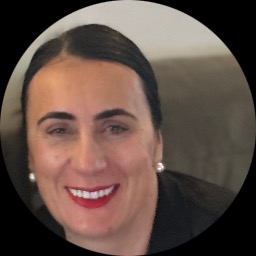
Drazenka Bjelobaba, BACP
Understanding, person-centred counselling
Opens BetterHelp in a new tab, where you can review online therapy options.
- Person-centred focus
- Trauma-aware approach
- Multilingual support
About Drazenka
She uses a person-centred style that places the person's priorities first. Sessions follow what the client wants to explore, with the counsellor listening and reflecting to help clarify feelings and options. That approach is gentle and grounded in practical conversation rather than theory-heavy instruction.
Her background includes 16 years working in counselling and a BACP credential, which she references as part of her professional profile. Over time she has worked with people affected by trauma, addiction and complex life events, and draws on that experience when helping clients plan next steps.
Drazenka also brings approaches that address patterns in relationships and mood. She uses attachment-based perspectives to look at how early relationships shape current difficulty. Cognitive work helps spot unhelpful thoughts and try new responses in daily life.
Sessions are conducted in English and in Bosnian, Croatian and Serbian for those who prefer those languages. She accepts international clients and encourages anyone interested to consider whether a person-centred way of working would suit them.
Areas of expertise
Primary focus
Also works with
Additional focus areas
Therapeutic approaches
Experience
16+ years
Credentials
United Kingdom
Languages
English, Bosnian, Croatian, Serbian
How these approaches translate to online work
Attachment-Based Therapy looks at how early relationships shape present-day feelings and behaviours. Online conversations can help identify repeated patterns and teach different ways of relating that reduce anxiety and improve closeness.Client-Centred Therapy places the person's agenda at the centre. In online sessions the counsellor follows what the client brings, offering reflection and empathy to make sense of emotions and choices.
Cognitive Behavioural Therapy helps spot unhelpful thoughts and try small changes in behaviour. Even brief online sessions can support practical experiments and skill-building to improve mood and sleep.
Finding the right approach is part of the work. The counsellor will discuss goals, preferences and what feels most helpful, and together they will choose or combine methods that fit the person’s needs.
Confirm the available session options before booking, as formats are not specified here. Online work can make it easier to fit sessions around daily life, reduce travel time and allow shorter check-ins when needed. It can also make it simpler to continue therapy after a move or when managing busy schedules.
Frequently asked questions
What concerns can I bring to therapy?
Common topics include stress, anxiety, depression, relationship and intimacy issues, addiction, trauma and grief. The therapist also supports people facing parenting strain, career questions and midlife change.
How would you describe the therapy style?
Work is person-centred, so sessions follow what the client chooses to explore. The counsellor listens, reflects and helps people make sense of feelings at their own pace.
What experience does the counsellor have?
The counsellor has 16 years of experience working in counselling settings and with people affected by trauma, addiction and life transitions.
What credentials and location are listed?
Credentials shown include BACP and the counsellor is based in the United Kingdom.
Which languages can sessions be held in?
Sessions are offered in English, Bosnian, Croatian and Serbian.
Can people outside the UK access these sessions?
International clients are accepted; confirm practical details and scheduling when booking.
How are fees handled?
Costs vary with location and therapist arrangements; sessions use a subscription that can be cancelled at any time.
How do I begin if I want to work together?
Use the Start Therapy button, complete a short matching questionnaire, and then schedule according to the therapist's availability.