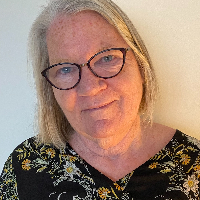
Ellen Walker, LICSW
Experienced LICSW helping people through life transitions
Opens BetterHelp in a new tab, where you can review online therapy options.
- Client-centered approach
- Practical coping tools
- Collaborative partnership
About Ellen
She meets people where they are and begins by listening closely to what led them to seek help. Sessions focus on practical steps and understanding patterns that get in the way of a fuller life. Ellen often works with issues like depression, anxiety, grief, relationship strain, parenting stress, and midlife transitions.
Her style is eclectic, pulling from several approaches to match each person's needs. Cognitive Behavioral Therapy (CBT), Motivational Interviewing, Solution-Focused Therapy, and Trauma-Focused Therapy are part of her repertoire. She emphasizes collaboration and helps people set realistic goals for change.
Ellen typically schedules weekly 45-minute sessions while she gets to know a client and the concerns they bring. She values clear communication and expects both people in the therapy room to be engaged in the process. Her experience includes work with trauma, addiction, and complicated family situations.
Clients can expect straightforward conversation, practical tools, and steady support while they work through difficult transitions. Ellen is comfortable using video at first to build rapport and also offers phone and text contact as alternatives depending on a person's preference.
Areas of expertise
Primary focus
Also works with
Additional focus areas
Therapeutic approaches
Experience
30+ years
Credentials
District of Columbia
Languages
English
Therapeutic approaches and how they translate online
Client-Centered Therapy focuses on listening and building a trusting partnership. Online sessions can use the same warm, person-focused conversations to clarify what matters most and set goals. Cognitive Behavioral Therapy (CBT) breaks problems into thoughts, feelings, and behaviors and uses simple exercises to change unhelpful patterns; it works well online for tackling anxiety, depression, and stress with homework and skill practice. Motivational Interviewing helps people resolve mixed feelings about change by exploring values and ambivalence in a collaborative way that fits well into remote sessions.Finding the right approach is part of the work. The therapist will talk with the client about needs, goals, and preferences and together decide which methods to try. This collaborative decision making can include mixing methods and adjusting strategies as progress is tracked.
Confirm the specific session formats before booking, since the biography indicates familiarity with video, phone, and text but does not list a single required option. Online work can make it easier to schedule sessions around work or caregiving, reduce travel time, and allow more flexible check-ins such as brief phone messages or text-based touchpoints when appropriate. These practical benefits help therapy fit into everyday life without promising a particular outcome.
Frequently asked questions
What concerns does Ellen commonly address?
She works with a wide range of concerns including depression, anxiety, trauma and abuse, grief, relationship and intimacy issues, parenting and family stress, midlife transitions, addiction, and caregiver strain.
What is her therapeutic style like?
Her approach is practical and collaborative. She combines client-centered listening with techniques drawn from CBT, Motivational Interviewing, Solution-Focused Therapy, and trauma-focused work to help clients set and reach goals.
How much experience does she have?
She has about 30 years of experience in mental health and child welfare settings, which informs her work with complex family and trauma-related issues.
Where is she licensed and based?
She is a LICSW licensed in the District of Columbia and practices from that region.
Can I work with her if I live outside the United States?
Sessions are offered in English and she accepts international clients, though clients should confirm any practical details before scheduling.
What formats are offered for sessions?
Please confirm current session options before booking, as the biography notes comfort with video, phone, and text but does not list a definitive set of formats here.
How are costs handled?
Cost varies with location and therapist availability; sessions use a subscription that can be canceled at any time.
How do I begin working with her?
Select the Start Therapy button, complete a short matching questionnaire, and schedule according to therapist availability.