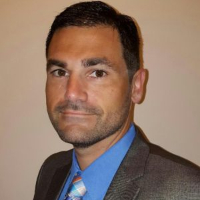
Jason Vandewater, LCSW
Therapist focused on goal-driven recovery
Opens BetterHelp in a new tab, where you can review online therapy options.
- Person-centered care
- Practical action plans
- Harm reduction approach
About Jason
He uses client-centered methods to listen and build trust. Conversations focus on what matters to the individual and on realistic next steps they can try. For people facing addiction, mood concerns, or midlife transitions, he blends goal planning with supportive coaching.
Jason also draws from cognitive behavioral ideas to identify unhelpful thoughts and shift daily habits. He uses elements of dialectical behavior therapy to teach emotion regulation and coping skills when feelings feel overwhelming. Mindfulness exercises and existential reflections support people facing life meaning, aging, or major changes.
Sessions aim to produce tangible action plans. That can mean step-by-step strategies for career moves, managing stress, or addressing substance use. Jason frames work as practical and collaborative so people leave with clear next actions.
He works with concerns such as anxiety, depression, relationship and intimacy issues, ADHD, bipolar mood concerns, trauma and abuse, grief and loss, chronic illness, and many life transitions. People who want straightforward, goal-focused therapy tend to find his style helpful. He welcomes questions about how treatment might fit individual needs.
Areas of expertise
Primary focus
Also works with
Additional focus areas
Therapeutic approaches
Experience
20+ years
Credentials
New York, Florida, North Carolina
Languages
English
How his approaches translate to online work
Client-Centered Therapy focuses on listening and following the person's lead. In practice this means the therapist helps people clarify goals, reflects what they say, and supports decisions that matter to them. Cognitive Behavioral Therapy (CBT) looks at patterns of thought and behavior and uses simple exercises to shift them. CBT can help with anxiety, depression, and day-to-day coping by breaking big problems into manageable tasks.Finding the right approach is a team effort. The therapist will talk with the person about their needs, goals, and what feels useful. Together they decide which methods to try and adjust the plan as progress is made.
If you are considering online sessions, check the current session options before booking since formats are not specified here. Online work can make it easier to fit therapy into a busy life, reduce travel time, and allow for brief check-ins when schedules demand. It also lets people practice skills in environments where problems actually happen, and follow up with concrete action steps between meetings.
Frequently asked questions
What kinds of problems does he help with?
He works with stress, anxiety, depression, addiction, relationship and intimacy issues, trauma and abuse, ADHD, bipolar concerns, and life changes including midlife transitions.
What is his general therapy style?
His style is person-centered and practical. Sessions focus on listening, setting goals, and creating step-by-step plans people can try between visits.
How much experience does he have?
He has 20 years of clinical experience helping people with recovery, behavior change, and life transitions.
Where is he licensed and practicing?
He holds LCSW credentials in North Carolina and is listed as NC LCSW and FL LCSW.
Which languages are supported for sessions?
Sessions are offered in English.
Can international clients work with him?
He accepts international clients; confirm any licensing or regional limits during intake.
How are fees and billing handled?
Costs vary by location and therapist availability; sessions use a subscription that can be canceled at any time.
How do I begin a session with him?
Select the Start Therapy button, complete a short matching questionnaire, and schedule according to therapist availability.