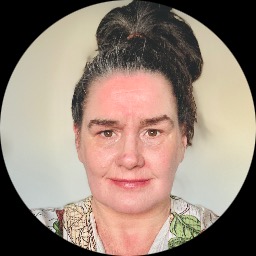
Jennifer Cromar, BACP
Supportive counsellor for life changes
Opens BetterHelp in a new tab, where you can review online therapy options.
- Stress and anxiety
- Parenting concerns
- Creative approaches
About Jennifer
Her practice focuses on practical conversation and working out what will help day to day. She listens for what matters most to each person and tailors the plan to those needs. Sessions may include talking, guided exercises, or creative activities when that suits the client.
Jennifer draws on a mix of human-focused and evidence-based ideas. She uses Client-Centred methods to follow the person’s lead and build understanding. Cognitive Behavioural Therapy is used to spot patterns that make problems worse and to try different responses.
She also incorporates Emotionally-Focused and Jungian ideas for people who want to look at underlying feelings and personal meaning. This can help when coping with abandonment, attachment issues, or transitions later in life. Jennifer will work at a pace that feels manageable for each person.
If someone is unsure how therapy might help, she encourages a simple first step: a short questionnaire then a scheduling conversation. The process is collaborative and focused on realistic next steps, not on jargon or labels.
Areas of expertise
Primary focus
Additional focus areas
Therapeutic approaches
Experience
18+ years
Credentials
United Kingdom
Languages
English
How therapeutic approaches come alive online
Client-Centred Therapy focuses on the person's own experience. The counsellor follows the client's lead, reflects feelings, and helps the person make sense of their choices and values. This can help with stress, life transitions, and parenting concerns.Cognitive Behavioural Therapy (CBT) looks at how thoughts, feelings and actions influence each other. It teaches practical exercises and small experiments to change unhelpful patterns, which is useful for anxiety and low mood.
Emotionally-Focused Therapy (EFT) helps people identify and work through strong emotions. It supports people who want to understand attachment patterns and manage intense reactions in relationships or during big life changes.
Finding the right approach is part of the work. The counsellor will discuss goals, try different ways of working, and adjust methods to suit each person's needs and preferences. This happens collaboratively, with the client deciding what feels most helpful.
Confirm current session options before booking, as formats are not specified here. Online work can make it easier to fit sessions around daily life, reduce travel time, and allow shorter check-ins when days are busy. It can also let creative exercises like writing or drawing be shared and discussed in session without needing extra travel.
Frequently asked questions
What kinds of problems does this counsellor help with?
She supports people dealing with stress, anxiety, depression, trauma and abuse, parenting strains, and coping with life changes. Additional areas include attachment and abandonment concerns, chronic illness, body image, and caregiving stress.
What is the therapy style like in sessions?
Sessions are practical and person-focused. Jennifer listens, adapts the dialogue, and may use talking, written exercises or creative tasks to help people make small changes.
How long has she been practising?
She brings 18 years of professional experience in the United Kingdom, working across a wide range of presenting issues.
What credentials and location are listed?
Jennifer holds BACP accreditation and is based in the United Kingdom.
Which languages are supported?
Sessions are offered in English.
Can people outside the UK work with her?
She does not accept international clients at this time.
How much do sessions cost?
Cost varies with location and therapist availability; sessions use a subscription that can be cancelled at any time.
What are the first steps to start therapy?
Use the Start Therapy button, complete a short matching questionnaire, and then schedule sessions according to the therapist's availability.