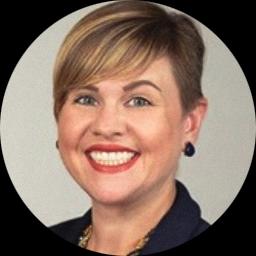
Joy Raggs, LCSW
Warm, practical support for life transitions
Opens BetterHelp in a new tab, where you can review online therapy options.
- Client-centered care
- Skill-based tools
- Goal focused
About Joy
Her work centers on building self-understanding and clearer communication. She draws on client-centered methods to follow each person's priorities and to make sure sessions feel relevant. Cognitive Behavioral Therapy tools are used when people want concrete ways to shift unhelpful thoughts and behaviors.
Joy also uses elements of Dialectical Behavior Therapy to teach emotion regulation and coping skills. Motivational Interviewing and Narrative Therapy help when clients want to clarify values, rewrite difficult personal stories, or find motivation for change. These methods are mixed to match what a person needs in the moment.
She has experience supporting people facing aging and geriatric issues, cancer and serious illness, caregiver stress, chronic pain, and life purpose questions. Joy also helps with concerns related to gender dysphoria, HIV/AIDS, grief at end of life, and the strain of isolation.
Her style is collaborative and straightforward. She helps clients set small, achievable goals and practices skills between sessions. People who want a warm, practical approach often find this helpful when navigating midlife shifts and other transitions.
Areas of expertise
Primary focus
Also works with
Additional focus areas
Therapeutic approaches
Experience
14+ years
Credentials
Illinois
Languages
English
Therapeutic approaches that translate well to online work
Client-Centered Therapy focuses on listening and following the client's lead. In practice this means the therapist reflects what you say, asks gentle questions, and helps you set goals that matter to you. Cognitive Behavioral Therapy, or CBT, gives clear exercises to change unhelpful thoughts and behaviors and can be useful for anxiety, depression, and stress. Dialectical Behavior Therapy, or DBT, offers skills for managing intense emotions and improving coping, which can help with mood swings and crisis moments.Finding the right approach is part of the work together. Joy will collaborate with each person to see which methods fit their needs and goals. That may mean combining approaches, trying skills-focused work for a while, or exploring personal stories through narrative techniques until something clicks.
The practical benefits of online therapy often include easier scheduling and fitting sessions into a busy week. Online options can make it simpler to have shorter check-ins when needed, avoid travel time, or keep workday appointments. This therapist's biography does not list specific session formats, so confirm current online options before booking to make sure they match your schedule and preferences.
Frequently asked questions
What concerns does Joy address?
She supports people with stress, anxiety, relationship problems, grief, depression, self-esteem, and coping with life changes including midlife crisis.
How would you describe her therapy style?
Her style is collaborative and practical. She listens first, then helps set small goals and teaches skills to use between sessions.
What is her background and experience?
She is a licensed clinical social worker with 14 years of experience working with a range of concerns and life transitions.
Where is she licensed and based?
Joy holds an LCSW license in Illinois and practices from that state.
Which languages are supported?
Sessions are offered in English and international clients are not currently accepted.
What session formats are available?
Session formats are not specified in the biography; please confirm current session options before booking.
How does payment and cost work?
Cost varies with location and therapist availability; sessions use a subscription that can be canceled at any time.
How do I get started with therapy?
Select the Start Therapy button, complete a short matching questionnaire, and schedule according to therapist availability.