MidlifeTherapists.com

Therapist listings are provided by BetterHelp. We will earn a commission at no additional cost to you if you use our links to purchase.

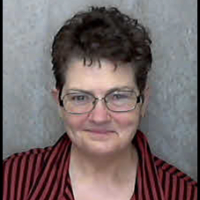
Julie Elliott

Julie Elliott, LCSW-C, LCSW

Therapist · Texas · 35+ years of experience

Compassionate social worker for life transitions

Continue with Julie

Opens BetterHelp in a new tab, where you can review online therapy options.

  • 35 years experience
  • Focus on relationships
  • Practical coping skills

About Julie

Julie Elliott is a Licensed Clinical Social Worker with more than 35 years of clinical experience. She practices in Texas and brings a long career of supporting people through major life shifts, including midlife transitions. Julie earned a Master of Social Work from the University of Houston and holds LCSW-C and LCSW credentials. Her approach is straightforward and people-focused. She listens first, then helps clients identify realistic next steps. Sessions often center on building coping skills, improving communication, and sorting out relationship patterns that cause stress. Julie draws on methods that emphasize attachment, emotion, and practical behavior change. Clients commonly bring concerns such as anxiety, depression, grief, addiction, trauma, and career strain. She also works with issues like parenting strain, blended family challenges, body image, and caregiver stress. Midlife concerns are part of the mix for people who are rethinking relationships, work, or purpose. Julie uses a mix of Attachment-Based, Client-Centered, Cognitive Behavioral, Dialectical Behavior, and Emotionally-Focused approaches. She tailors these to each person’s needs and goals rather than using a one-size-fits-all plan. Her background includes practice across different regions and roles over decades. That experience shapes a calm and practical style that aims to help people manage immediate problems and plan for longer-term change.

Areas of expertise

Primary focus

Stress, AnxietyRelationship issuesFamily conflictsTrauma and abuseDepression

Also works with

AddictionsLGBTGriefIntimacy-related issuesEating disordersSleeping disordersParenting issuesAnger managementSelf esteemCareer difficultiesBipolar disorderCoping with life changesCompassion fatigue

Additional focus areas

AbandonmentAdoption and foster careAging and geriatric issuesAttachment issuesBlended family issuesBody imageCaregiver issues and stressCo-morbidityCodependencyCommitment issuesCommunication problemsDependent personalityDivorce and separationDomestic violenceDrug and alcohol addictionEating and food-related issuesEmptinessFamily of origin issuesFamily problemsFirst responder issuesForgivenessGuilt and shameHospice and end-of-life counselingImpulsivityInfidelityIsolation / lonelinessLife purposeMidlife crisisVeteran and Armed Forces IssuesMood disordersPanic disorder and panic attacksPersonality disordersPost-traumatic stressSelf-harmSelf-loveSexual assault and abuseSexualitySocial anxiety and phobiaWomen's issuesWorkplace issuesYoung adult issues

Therapeutic approaches

Attachment-Based TherapyClient-Centered TherapyCognitive Behavioral Therapy (CBT)Dialectical Behavior Therapy (DBT)Emotionally-Focused Therapy (EFT)Existential TherapyEye Movement Desensitization and Reprocessing (EMDR)Mindfulness TherapyMotivational InterviewingNarrative TherapySolution-Focused TherapyTrauma-Focused Therapy

Experience

35+ years

Credentials

Texas, Texas, Connecticut, Maryland, New Hampshire

Languages

English

How her approaches translate to online therapy

Attachment-Based Therapy focuses on how relationships shape feelings and behavior. It helps people notice patterns in close relationships and try different ways of connecting when old habits cause pain. Client-Centered Therapy centers the person’s experience, with the therapist offering warmth and reflective listening to help clients find their own answers. Cognitive Behavioral Therapy (CBT) looks at how thoughts, feelings, and actions interact and teaches hands-on skills to shift unhelpful patterns and manage anxiety or low mood. Choosing the right approach is part of the work together. The therapist will discuss goals, try methods, and adjust the plan based on what helps. That makes therapy collaborative and flexible rather than fixed from the start. The biography does not list specific session formats, so confirm current online options before booking. Online sessions can make it easier to fit therapy into a busy day, allow shorter check-ins when needed, and reduce travel time. They also allow continuity for people who are traveling or living abroad since international clients are accepted. The emphasis is on practical access and making therapy usable within everyday life rather than promising any single service format.

Frequently asked questions

What kinds of concerns does she address?

She works with stress, anxiety, depression, trauma and abuse, addictions, grief, intimacy issues, eating and sleeping problems, parenting strain, and midlife transitions among other concerns.

What is her general therapy style?

Her style is attentive and practical. She listens, helps people set small goals, and uses talk and skill practice to change unhelpful patterns.

How much clinical experience does she have?

She has 35 years of experience working in clinical roles across different regions, which informs a steady, experienced perspective in sessions.

What are her credentials and location?

She holds LCSW-C and LCSW credentials and practices in Texas.

In which languages can I work with her?

Sessions are offered in English, and she accepts international clients.

Which session formats are available?

The original biography does not specify session formats; please confirm current session options before booking.

How much do sessions cost?

Cost varies by location and therapist availability, and sessions use a subscription that can be canceled at any time.

How do I begin working with her?

Select the Start Therapy button, complete a short matching questionnaire, and schedule according to therapist availability.

Julie Elliott Online therapy options on BetterHelp

Continue with Julie