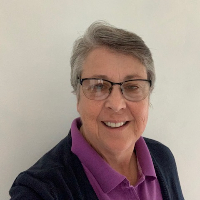
Kathy Rubendall, LCSW
Compassionate LCSW for life transitions
Opens BetterHelp in a new tab, where you can review online therapy options.
- Warm collaborative approach
- Practical coping skills
- Experience with addiction
About Kathy
Her work often includes support for people navigating bipolar disorder, trauma, and attachment concerns tied to adoption. She has also helped clients through career transitions, sports performance anxiety, and bariatric surgery preparation and recovery. Kathy listens for practical needs and immediate priorities in each session.
Her approach is client-centered, which means she follows the person’s goals and pace. She blends cognitive behavioral techniques with humanistic and problem-solving strategies to address thoughts, behaviors, and everyday challenges. Sessions focus on specific skills and small changes that add up over time.
Kathy brings decades of direct clinical experience to conversations about relationships, family of origin problems, body image, caregiver stress, chronic illness, and substance use. She works to identify clear next steps and coping tools clients can practice between sessions.
People who choose her describe a steady, compassionate partner for change. She frames therapy as a collaborative process and helps clients set realistic goals. Kathy aims to support ongoing progress rather than quick fixes.
Areas of expertise
Primary focus
Also works with
Additional focus areas
Therapeutic approaches
Experience
30+ years
Credentials
North Carolina
Languages
English
Approaches that guide online care
Client-Centered Therapy focuses on listening and following each person’s priorities. The therapist offers empathy, acceptance, and support while clients set the pace and goals for their work. Cognitive Behavioral Therapy, or CBT, looks at the links between thoughts, feelings, and actions and teaches practical strategies for changing unhelpful patterns. CBT is often used for anxiety, depression, and sleep or eating concerns.Finding the right approach is part of the process. The therapist will talk with the client about their goals, preferences, and what feels most useful. Together they decide whether to emphasize listening and reflection, skill-building from CBT, or a combination that also borrows problem-solving techniques and motivational interviewing elements.
Confirm current session options before booking so you know what formats are available. Online therapy can make it easier to fit sessions into a busy life, shorten travel time, and allow for check-ins during breaks. It can also be helpful when a quieter setting or less screen time is needed, depending on session choices. Licensed professionals can help tailor session frequency and tools to match daily routines and goals.
Frequently asked questions
What concerns does Kathy commonly address?
Kathy works with stress, anxiety, depression, grief, addictions, bipolar disorder, trauma, relationship and family of origin issues, body image, and caregiver stress among other concerns.
How would you describe her therapy style?
Her style is warm and interactive, based on mutual respect and acceptance. She focuses on collaboration and practical steps clients can use between sessions.
What is her background and experience?
She is a Licensed Clinical Social Worker with 30 years of clinical experience working across a broad range of mental health and life-change topics.
Where is she licensed and based?
She holds an LCSW license in North Carolina and practices in that state.
Which languages are supported for sessions?
Sessions are offered in English.
Can international clients work with her?
International clients are not currently accepted.
How are session fees and subscriptions handled?
Cost varies with location and the therapist’s availability; sessions use a subscription that can be canceled at any time.
How do I begin working with her?
Select the Start Therapy button, complete a short matching questionnaire, and then schedule according to the therapist’s availability.