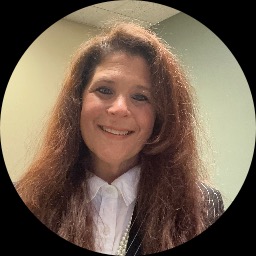
Mary Roldan Balboa, LPC
Compassionate counselor for life transitions
Opens BetterHelp in a new tab, where you can review online therapy options.
- Strengths focused
- Practical tools
- English and Spanish
About Mary
She uses a strengths-focused style that looks for what already works and builds from there. Sessions are collaborative and aim to turn small insights into doable actions. Mary combines listening with concrete tools so people leave with something to try between meetings.
Her background includes work in hospitals, a crisis center, nursing homes, hospice settings, schools, and private practice. That variety has shaped a flexible approach that fits different life stages and stressors. She is also a doctoral student in developmental psychology, which informs her interest in life transitions and meaning-making.
Therapeutic methods include client-centered techniques, cognitive behavioral strategies, mindfulness exercises, motivational interviewing, and narrative work. These approaches help with regulating mood, changing unhelpful thoughts, clarifying values, and telling a clearer personal story about change.
Mary pays attention to practical life issues like money worries, caregiving strain, work stress, and loneliness. She supports people navigating postpartum concerns, aging or geriatric matters, and the specific uncertainties that come with midlife. The work tends to be straightforward and focused on creating steady, manageable change.
Areas of expertise
Primary focus
Also works with
Additional focus areas
Therapeutic approaches
Experience
20+ years
Credentials
Texas, Wisconsin
Languages
English, Spanish
How Mary’s Methods Translate to Online Work
Mary often uses client-centered approaches that prioritize a person’s priorities and strengths, helping them notice what already helps and build on it. Cognitive behavioral techniques focus on identifying unhelpful thoughts and testing small behavioral changes to reduce anxiety and lift mood. Mindfulness practices teach simple attention and breathing skills to calm the body and reduce reactivity.Choosing the right approach is part of the work together. Mary will discuss goals, day-to-day life, and preferences to decide whether client-centered conversation, CBT exercises, or mindfulness practice fits best. This is a collaborative process and may shift over time as needs change.
Session formats are not specified in the biography, so please confirm current options before booking. Online therapy can make it easier to fit sessions into a busy week, reduce travel time, and allow for check-ins during a lunch break or between errands. Phone or lower-bandwidth options can be useful when video is difficult, while video can help with exercises that use visual materials or guided mindfulness. Discuss format preferences when scheduling to find what fits everyday life.
Frequently asked questions
What kinds of concerns does Mary help with?
She supports people with stress, anxiety, depression, grief, ADHD, self-esteem and career questions, and common midlife changes.
How would you describe her therapeutic style?
Her style is collaborative and strengths-focused, blending listening with practical steps to try between sessions.
What is her professional background?
Mary has 20 years of experience and has worked in hospitals, a crisis center, nursing homes, hospice, schools, and private practice.
What are Mary’s credentials and where is she located?
She is a Licensed Professional Counselor (LPC) with licenses in Texas and Wisconsin, and she practices from Wisconsin.
Which languages are supported during sessions?
Sessions are offered in English and Spanish.
Can people outside the United States work with her?
International clients are not currently accepted.
How does payment and cost work?
Cost varies by location and therapist availability; sessions use a subscription model that can be canceled at any time.
What are the first steps to begin working together?
Click the Start Therapy button, complete a short matching questionnaire, and schedule according to therapist availability.