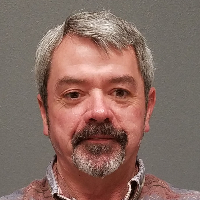
Michael Witham, LPC
Compassionate, practical therapy for life transitions
Opens BetterHelp in a new tab, where you can review online therapy options.
- Client-centered care
- Skill building focus
- Goal-oriented work
About Michael
He began practicing in 2002 and has worked in crisis response and resolution as well as initial diagnostics and treatment planning. That background informs his approach to acute stress, trauma, and complex emotional reactions. He has experience addressing impulse control, addictions, and severe symptoms that can arise with chronic illness or serious mental health conditions.
Sessions focus on identifying what a person wants to change and then building the skills to get there. Cognitive-behavioral strategies are used to shift unhelpful thoughts and actions. Client-centered methods keep the process grounded in each person’s goals and values.
He also uses techniques from dialectical behavior therapy and mindfulness to help manage intense emotions, improve coping, and reduce reactivity. Motivational interviewing supports readiness for change when people feel stuck or ambivalent.
Michael has worked with issues across the lifespan including grief, parenting stress, sleep and eating problems, ADHD, bipolar concerns, and challenges tied to aging or chronic health conditions. He welcomes conversations about practical steps toward better day-to-day functioning and increased confidence.
Areas of expertise
Primary focus
Also works with
Additional focus areas
Therapeutic approaches
Experience
26+ years
Credentials
Wyoming
Languages
English
How therapy approaches translate online
Client-centered therapy places your goals and concerns at the center of each session. It involves listening, reflecting, and helping you shape a plan that fits your life. Cognitive-behavioral therapy focuses on identifying unhelpful thoughts and behaviors and practicing new, more effective skills; it is often used for anxiety, depression, and coping with predictable stressors.Choosing the right approach is part of the work together. The therapist will discuss your needs, preferences, and goals and help decide whether client-centered conversations, CBT techniques, or a blend is the best fit. That decision is revisited as progress is made so the plan can change when needed.
The practical upside of online therapy is that it can fit more easily into a busy schedule and reduce travel time. Confirm the session formats offered before booking since the biography does not list them explicitly. Many people find remote sessions helpful for fitting therapy around work, medical appointments, or caregiving duties, and some session types are easier when you prefer less travel, need a shorter check-in, or want an option that does not require video.
Frequently asked questions
What kinds of problems does he help with?
Typical concerns include stress, anxiety, depression, trauma and abuse, anger, ADHD, addictions, grief, self-esteem, and coping with life changes.
What is his therapeutic style?
He uses a client-centered style combined with cognitive-behavioral work, plus elements of DBT, mindfulness, and motivational interviewing to build practical skills.
How much clinical experience does he have?
He has 26 years of experience and began practice in 2002, with additional work in crisis response, diagnostics, and group therapy.
What credentials and location are listed?
He is a Licensed Professional Counselor (LPC) licensed in Wyoming and practices from that state.
Which languages are supported for sessions?
Sessions are offered in English and international clients are accepted.
What session formats are offered?
The original biography does not list specific session formats; please confirm current session options before scheduling.
How is cost handled for sessions?
Cost varies with location and therapist availability, and sessions use a subscription that can be canceled at any time.
How do I begin working with him?
Use the Start Therapy button, complete a short matching questionnaire, and then schedule according to therapist availability.