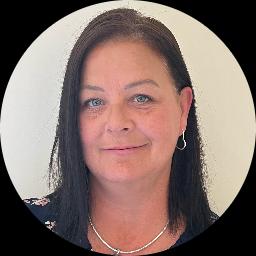
Michelle Rutter, BACP
Calm, person‑centred support for life changes
Opens BetterHelp in a new tab, where you can review online therapy options.
- Person centred
- Practical coping tools
- Compassionate listening
About Michelle
Her style is person‑centred, which means conversations focus on the person's experience and goals. Michelle combines that with cognitive behavioural ideas and psychodynamic perspectives to help people notice patterns and try new ways of coping. Sessions are shaped around what each person needs in the moment.
She treats clients as individuals and pays attention to equality and respect. That approach is applied to practical matters too, such as pacing sessions and adapting techniques to suit the person's situation. Michelle uses compassion and sensitivity when discussing difficult issues like abuse, addiction or chronic illness.
Over six years of practice she has worked with people dealing with relationship strain, parenting stress, career shifts, sleeping and eating problems, and long‑term health concerns. She also supports people managing intense emotions such as anger, low self‑esteem and grief.
If someone is ready to make changes, Michelle helps plan achievable steps and talks through coping strategies. The focus is on understanding what matters to the person and finding realistic ways to move forward.
Areas of expertise
Primary focus
Also works with
Additional focus areas
Therapeutic approaches
Experience
6+ years
Credentials
United Kingdom
Languages
English
How her approaches translate to online work
Michelle draws on Acceptance and Commitment Therapy and Client‑Centred Therapy in sessions. ACT helps people notice unhelpful thoughts and focus on actions that match their values, which can help with anxiety, low mood and life transitions. Client‑Centred Therapy focuses on listening and understanding, giving people space to speak openly and feel heard as they sort things out.Finding the right approach is part of the work. The therapist will talk with the person about their difficulties, goals and preferences and together decide which methods to try. That conversation is collaborative and can shift as needs change over time.
Practical benefits of online or remote working can include fitting sessions around work or caregiving, reducing travel time, and making it easier to keep regular appointments. Session formats are not detailed here, so please confirm current session options before booking. Registered or accredited professionals and therapists often tailor session length and frequency to fit everyday life and to support steady progress.
Frequently asked questions
What kinds of problems does Michelle help with?
She supports people with stress, anxiety, depression, trauma, addictions and midlife concerns. Other areas include relationship strain, parenting pressures, grief and chronic health issues.
How would you describe her therapeutic style?
Her style is person centred and non‑judgemental, focusing on listening and understanding. She also uses cognitive behavioural ideas and psychodynamic perspectives to help people identify patterns and try new responses.
What is her level of experience?
She has six years of experience working with a range of concerns, such as anxiety, OCD, ADHD, trauma and life transitions.
Where is she based and what credential does she hold?
She practises in the United Kingdom and is listed with the BACP, the British Association for Counselling and Psychotherapy.
Which languages are available for sessions?
Sessions are offered in English.
Can people outside the UK work with her?
She accepts international clients; confirm any practical details such as timing and local regulations before booking.
How are sessions paid for and what do they cost?
Cost varies with location and therapist availability; sessions use a subscription that can be cancelled at any time.
How do I begin if I want to work with her?
Use the Start Therapy button, complete a short matching questionnaire, and then schedule according to therapist availability.