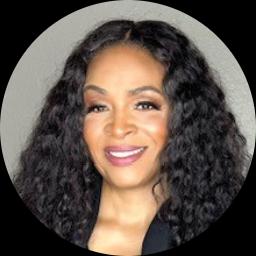
Monica Farrer, LCMHC
Midlife transition-focused counselor
Opens BetterHelp in a new tab, where you can review online therapy options.
- Compassionate listener
- Practical skills
- Collaborative goals
About Monica
She uses a straightforward, person-focused approach in sessions. Conversations and goals are shaped around the client’s needs and what is practical for day-to-day life. Monica draws on techniques from cognitive behavioral therapy and dialectical behavior therapy to address patterns of thinking and strong emotions.
Mindfulness practices and motivational interviewing are also part of her toolkit. These methods help people notice unhelpful habits, build small skills, and find clearer motivation for change. Monica adapts interventions to match a person’s pace and readiness.
With 11 years of experience and an NC LCMHC credential, she blends practical strategies with warmth and support. Clients can expect point-by-point problem solving alongside time to reflect and process difficult feelings. Monica emphasizes collaboration and steady progress rather than quick fixes.
She is attentive to cultural background and life roles that affect wellbeing, including caregiver stress, blended family dynamics, and military-related concerns. Her goal is to help people regain balance, clarify priorities, and move toward a life that feels more sustainable and satisfying.
Areas of expertise
Primary focus
Also works with
Additional focus areas
Therapeutic approaches
Experience
11+ years
Credentials
North Carolina
Languages
English
How her approaches translate to online care
Client-Centered Therapy puts the person’s priorities first and focuses on what they want to change. In practice this means the therapist listens carefully and adjusts the conversation and plan to fit the client’s needs and pace. Cognitive Behavioral Therapy, or CBT, focuses on identifying unhelpful thinking patterns and testing small behavior changes to reduce symptoms like anxiety or depression. These methods help with stress, sleep issues, and mood shifts.Finding the right approach is a team effort. Monica will work with each person to decide which techniques to try first and will adjust plans based on progress and comfort. That collaborative process means goals and tools are chosen together, with steady steps and regular check-ins.
If you are considering online sessions, confirm the current session options before booking. Online work can make scheduling easier, help fit therapy into a busy day, and allow for shorter check-ins when needed. It can also allow people to use mindfulness exercises and skill practice in real-life moments. Talk with the therapist about what will best fit your routine and goals so sessions are a practical part of everyday life.
Frequently asked questions
What concerns does Monica help with?
She supports people dealing with stress, anxiety, depression, addiction, relationship and parenting issues, grief, midlife crisis, and related life changes.
What is her therapeutic style like?
Monica practices in a client-centered way, focusing on each person’s goals and practical steps. Sessions mix listening, skill-building, and action plans.
What experience does she bring?
She has 11 years of professional experience working with a range of concerns including mood, addiction, trauma, and family stress.
What credential does she hold and where is she located?
Monica is an NC LCMHC, which means Licensed Clinical Mental Health Counselor in North Carolina.
Which languages are supported?
Sessions are offered in English.
Can people outside the United States work with her?
She does not accept international clients at this time.
How is payment handled and what does it cost?
Cost varies by location and therapist availability and sessions use a subscription that can be canceled at any time.
How do I begin working with Monica?
Click the Start Therapy button, complete a short matching questionnaire, and schedule according to therapist availability.