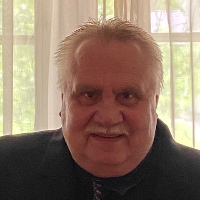
Scott Heise, LCPC
Compassionate, goal-focused counseling
Opens BetterHelp in a new tab, where you can review online therapy options.
- Empathetic approach
- Goal oriented
- Faith option
About Scott
Scott keeps sessions focused and practical. He describes his style as empathetic and client-centered while helping people set clear goals. He uses straightforward techniques so clients can try new ways of thinking and living between sessions. When faith matters to a client, he can incorporate a Christian perspective, including prayer, if the client requests it.
In past work he has addressed mood disorders, obsessive-compulsive concerns, post-traumatic stress, personality patterns, and co-occurring substance use. He has experience with parenting stress, caregiver strain, and challenges that come with aging and chronic health issues. His background includes helping people navigate control issues, attachment concerns, and family-of-origin struggles.
Scott tends to combine practical tools and reflective conversation. That might include cognitive-behavioral exercises, mindfulness skills, or dialectical strategies to manage emotion and behavior. He aims to help people set achievable steps and feel more empowered as they make changes in daily life.
To begin, he asks clients to identify specific goals and then builds a plan together. Sessions are described as warm and nonjudgmental, with room for humor alongside serious work. The focus is on usable strategies and steady progress over time.
Areas of expertise
Primary focus
Also works with
Additional focus areas
Therapeutic approaches
Experience
14+ years
Credentials
Illinois
Languages
English
How Scott’s Approaches Translate to Online Work
Scott commonly uses Client-Centered Therapy, Cognitive Behavioral Therapy (CBT), and Dialectical Behavior Therapy (DBT) in session. Client-Centered Therapy focuses on listening closely and adapting to each person’s pace and needs, which helps people feel heard and supported. CBT looks at thoughts and behaviors and teaches practical skills to change unhelpful patterns, useful for anxiety, depression, and stress. DBT adds clear strategies for managing strong emotions and improving coping skills, often helping with mood swings, impulsive behaviors, and relationship strain.Finding the right mix of methods is collaborative. Scott works with clients to choose approaches that fit their goals and preferences. Over the first few sessions he and the client decide together which skills and exercises to emphasize and adjust the plan as needed.
If you are considering online sessions, confirm the current session options before booking so you know what formats are offered. Online therapy can make it easier to fit sessions into a busy week, reduce travel time, and allow shorter check-ins when time is limited. It also lets people use written tools, guided exercises, and skill practice between meetings to reinforce progress.
Frequently asked questions
What kinds of concerns does Scott address?
He works with stress, anxiety, depression, grief, trauma, addictions, sleep problems, anger, self-esteem, career issues, bipolar concerns, and ADHD among other challenges.
How would you describe his therapeutic style?
Scott uses an empathetic, client-centered approach that is goal oriented. He blends practical exercises with conversation to help people try new behaviors between sessions.
What experience does he bring to therapy?
He has 14 years of experience, largely in community mental health settings, and has supported people with trauma, mood disorders, substance use, and personality concerns.
Where is Scott licensed to practice?
He holds an Illinois Licensed Clinical Professional Counselor credential, listed as LCPC, and practices in Illinois.
Which languages are sessions offered in?
Sessions are offered in English.
Does he accept international clients?
He does not accept international clients at this time.
How are fees and payment handled?
Cost varies with location and therapist availability; sessions use a subscription that can be canceled at any time.
How do I begin working with him?
Click the Start Therapy button, complete a short matching questionnaire, and schedule according to therapist availability.