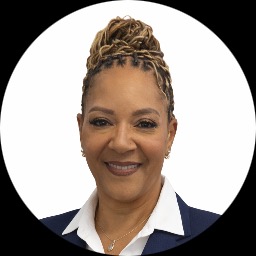
Tanya Smith, LMHC
Compassionate, practical counseling for midlife change
Opens BetterHelp in a new tab, where you can review online therapy options.
- Client-centered
- Values-focused
- Goal-oriented
About Tanya
Her approach centers on collaboration. Tanya listens carefully, checks in about what matters most, and adapts techniques to fit each person’s situation. She blends client-centered care with cognitive behavioral ideas and acceptance-based strategies to address thoughts, feelings, and behavior together.
Tanya has a background working in mental health treatment, substance use services, trauma-informed settings, and case management. That range informs how she organizes sessions, offers practical steps, and supports people through life changes like grief, separation, caregiving stress, or shifting family roles.
In the room she keeps things direct and respectful. Expect straightforward conversation, skill-building where useful, and attention to values and meaning for people wrestling with identity, intimacy, or career transitions. She also uses emotion-focused techniques when relationship patterns or attachment concerns are central.
People often come for help with self-esteem, parenting strain, eating and body image issues, or managing anger and ADHD-related challenges. Tanya works to match tools to each person’s goals and pacing so change feels manageable instead of overwhelming.
Areas of expertise
Primary focus
Also works with
Additional focus areas
Therapeutic approaches
Experience
11+ years
Credentials
Florida
Languages
English
How Tanya’s Approaches Translate to Online Work
Acceptance and Commitment Therapy (ACT) encourages people to notice unhelpful thoughts, clarify personal values, and take small steps toward the life they want. It is useful for coping with midlife shifts, chronic worry, and decisions about purpose. Client-Centered Therapy focuses on the relationship in the room: the therapist listens without judgment and helps people find their own solutions, which can be helpful for rebuilding confidence or processing major life changes. Cognitive Behavioral Therapy (CBT) breaks problems into thoughts, feelings, and behaviors and teaches concrete skills to change patterns; it often helps with anxiety, depression, and managing cravings.Choosing an approach is a collaborative process. Tanya will talk with each person about goals, try methods that fit those goals, and adjust as needed. The first few sessions are used to see what resonates and to set a practical plan together.
Confirm current session options before booking so you know how sessions are offered. Online work can make it easier to fit therapy into a busy schedule, allow shorter check-ins when needed, and reduce travel time. It also lets people use quieter surroundings, turn off video for lower bandwidth, or schedule sessions around work or caregiving demands without changing the therapeutic focus.
Frequently asked questions
What concerns does Tanya commonly address?
She helps with stress, anxiety, depression, addictions, relationship and intimacy issues, self-esteem, trauma and grief, eating and body image problems, parenting challenges, ADHD, and coping with life changes including midlife concerns.
What is her therapeutic style like?
Tanya uses a client-centered approach that stays practical and collaborative. She mixes acceptance-based and cognitive techniques and brings emotion-focused ideas when relationship patterns are involved.
How much clinical experience does she have?
She has 11 years of experience working in mental health treatment, substance use services, trauma-informed care, and case management.
What credentials and region are listed?
She holds the credential LMHC, practicing in the state of Florida.
Can sessions be held in languages other than English?
Sessions are offered in English.
Does she work with clients outside the United States?
International clients are not currently accepted.
How are sessions arranged and what do they cost?
Cost varies with location and therapist availability; sessions use a subscription that can be canceled at any time.
How do I begin working with her?
Click the Start Therapy button, complete a short matching questionnaire, and schedule according to therapist availability.