
Lawrence "Lance" Bischoff
LCPCMontana · 16 yrs exp
Respectful, practical help for life transitions
Stress, Anxiety · Relationship · Self esteem · Depression · +11 more
Read profileTherapist listings are provided by BetterHelp. We will earn a commission at no additional cost to you if you use our links to purchase.
Welcome to our Montana directory for online therapists. All therapists listed here hold a current license to practice in Montana, and you can use the profiles to learn about their focus areas and approaches. Explore the listings to identify professionals whose experience and specialties fit your needs.
Montana · 16 yrs exp
Respectful, practical help for life transitions
Stress, Anxiety · Relationship · Self esteem · Depression · +11 more
Read profile
Montana · 10 yrs exp
Experienced CBT-focused counselor
Stress, Anxiety · Trauma and abuse · Grief · Self esteem · +13 more
Read profile
Montana · 24 yrs exp
Compassionate counseling with practical tools
Stress, Anxiety · Relationship · Family · Parenting · +15 more
Read profile
Montana · 30 yrs exp
Relational therapist for life transitions
Stress, Anxiety · Addictions · Relationship · Family · +8 more
Read profile
Montana · 20 yrs exp
Guiding practical change through life transitions
Stress, Anxiety · Trauma and abuse · Grief · Career · +1 more
Read profile
Montana · 4 yrs exp
Thoughtful counseling for life changes
Stress, Anxiety · Self esteem · Career · Depression · +10 more
Read profile
Montana · 5 yrs exp
Midlife-focused trauma-informed LCSW
Stress, Anxiety · Family · Trauma and abuse · Anger · +1 more
Read profile
Montana · 20 yrs exp
Compassionate LCSW focused on practical change
Stress, Anxiety · Addictions · Relationship · Family · +11 more
Read profile
Montana · 23 yrs exp
Calm, practical support for life transitions
Stress, Anxiety · Family · Trauma and abuse · Parenting · +12 more
Read profile
Montana · 20 yrs exp
Therapist focused on practical change
Stress, Anxiety · Addictions · Relationship · Family · +11 more
Read profile
Montana · 6 yrs exp
Compassionate, person-centered therapy for life change
Depression · Coping with life changes · Compassion fatigue · Stress, Anxiety · +9 more
Read profile
Montana · 9 yrs exp
Compassionate, practical therapy for life transitions
Stress, Anxiety · Trauma and abuse · Anger · Self esteem · +11 more
Read profile
Montana · 12 yrs exp
Compassionate, practical care for emotional challenges
Stress, Anxiety · Trauma and abuse · Grief · Eating · +1 more
Read profile
Montana · 23 yrs exp
Experienced LCSW offering steady practical support
Stress, Anxiety · Relationship · Grief · Anger · +15 more
Read profile
Montana · 7 yrs exp
Practical, compassionate care for life transitions
Stress, Anxiety · Addictions · Relationship · Family · +16 more
Read profile
Montana · 25 yrs exp
Renew strength and clarity
Stress, Anxiety · Relationship · Family · Trauma and abuse · +12 more
Read profile
Montana · 7 yrs exp
Calm, direct, practical support
Stress, Anxiety · Addictions · Trauma and abuse · Self esteem · +13 more
Read profile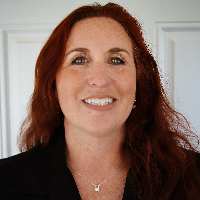
Montana · 8 yrs exp
Practical therapy for life transitions
Addictions · Relationship · Trauma and abuse · Anger · +12 more
Read profile
Montana · 25 yrs exp
Compassionate counselor for life transitions
Stress, Anxiety · Grief · Self esteem · Career · +6 more
Read profile
Montana · 3 yrs exp
Midlife and life-change counselor
Stress, Anxiety · Family · Grief · Parenting · +10 more
Read profile
Montana · 9 yrs exp
Direct, goal-focused counseling with warmth
Stress, Anxiety · Trauma and abuse · Eating · Depression · +12 more
Read profile
Montana · 15 yrs exp
Warm collaborative counseling for life transitions
Family · Parenting · Self esteem · Depression · +11 more
Read profile
Montana · 3 yrs exp
Warm, practical support for life transitions
Stress, Anxiety · Relationship · Intimacy-related issues · Depression · +9 more
Read profile
Montana · 30 yrs exp
Compassionate whole-person therapy for adults
Stress, Anxiety · Grief · Self esteem · Depression · +8 more
Read profileOnline therapy has become a common option across Montana, offering more pathways to mental health support whether you live in a city or a remote valley. In recent years technology and regulatory clarity have encouraged clinicians to offer sessions by video and phone as an alternative to in-person meetings. For people in Montana this often means you can consult with clinicians who maintain Montana licensure while accessing care without long drives or long waits. When you look through therapist profiles you will see a range of credentials and areas of emphasis as well as notes about the modalities they list. Keep in mind that the ability to provide telehealth is tied to licensing and practice rules, so the therapists included in this directory are listed as licensed to serve Montana residents.
Because regulations typically require that a clinician be licensed in the state where you are located, therapists who work with Montana residents generally hold Montana licensure. That helps ensure there is a clear record of the license, scope of practice and the licensing authority. Some therapists list multiple states where they hold credentials, and those details will appear on individual profiles. If you have questions about cross-state practice or interstate licensure compacts, the profile details and the licensing board can provide clarification.
If you live in Montana, online therapy can reduce the friction that often keeps people from seeking help. You may save hours of driving time when you replace a commute over mountain passes with a video call. That convenience also makes it easier to maintain continuity of care around work, caregiving and unpredictable weather. Online sessions can broaden your access to clinicians who focus on midlife transitions, chronic health challenges, grief, relationship changes and other issues that often emerge in midlife. Another advantage is the range of communication options - some therapists offer video, others offer phone sessions, and some will note additional languages spoken that may be important for comfort and cultural fit.
While online therapy brings clear conveniences, it also shifts how you and a therapist interact. You will want a quiet, stable internet connection and a setting where you can talk without interruptions. Some people find it easier to open up from home, while others prefer a different setting. Think about what environment will help you be most present during a session. Profiles often describe a therapist's typical session structure, fee formats and approaches, and those details can help you decide which clinicians to learn more about.
Therapists you find in this directory describe supporting a wide array of concerns relevant to people in midlife. Many list experience with anxiety and depression that can emerge or shift during career transitions, empty nest adjustments and caregiving responsibilities. Others note work with grief and loss, which may be linked to family changes, illness or bereavement. Relationship concerns, whether marriage, long-term partnerships or family dynamics, are common topics, as are life-stage questions about purpose, retirement planning and identity changes. You will also encounter clinicians who list trauma-informed approaches among their approaches and others who list EMDR among their approaches, as well as those who list cognitive-behavioral, psychodynamic or mindfulness-based work. Profiles typically indicate the populations a clinician focuses on - for example adults in midlife - and may mention other specialties such as chronic illness management or behavioral health integration.
Approach descriptions on profiles are a useful starting point to understand how a therapist frames their work. When a profile notes that a clinician lists EMDR among their approaches, that indicates they report using that method with some clients but does not speak to the details of their preparation or experience level. Use approach listings to identify clinicians whose language and methods resonate with you, and plan to ask about how they typically apply those approaches to concerns similar to yours during an initial conversation.
Confirming a therapist's license is a practical step that helps you understand a clinician's official standing. Start by noting the license type listed on a profile - common credentials include licensed professional counselor, clinical social worker, marriage and family therapist and psychologist. Then use the Montana licensing board's online license lookup or verification tool to search by name or license number. The lookup will show the license status, expiration date and any public disciplinary records. If an online lookup is not available or you have trouble finding a record, you can contact the licensing board by phone or email and request guidance on how to confirm a license. Keep a record of the license status and any reference numbers you receive.
When you review a license record, look for the issuing board, the current status, the expiration date and any sanctions or restrictions. Those elements provide context about the regulatory aspect of the clinician's practice. You can also use the board's information to learn about scope of practice - for example whether a given credential permits certain clinical tasks - and to verify whether a clinician is authorized to provide telehealth services to Montana residents. If you use insurance, verifying licensure is often an important step in understanding reimbursement considerations.
Beginning therapy online often starts with clarifying what you hope to address and what matters most in a therapeutic relationship. Think about the type of issues you want to work on, whether you prefer a clinician who focuses on midlife transitions or relationships, and whether language or cultural background is important to you. Use the directory to filter profiles by credentials, areas of focus and languages. Many profiles include a short statement about the therapist's approach and the populations they serve, which helps you identify potential matches.
Once you find profiles that seem promising, prepare a brief list of questions to ask during an initial contact. You might inquire about typical session length, fee structures, payment methods, and whether the therapist lists particular approaches that interest you. Ask how they handle privacy and recordkeeping for telehealth, and what steps they recommend if there is an urgent concern between sessions. Even though profiles provide background, a short introductory conversation can give you a sense of whether the clinician's communication style and values align with what you need.
Choosing a therapist is a personal decision driven by fit as much as by credentials. Pay attention to how a clinician responds to your questions, whether their stated focus aligns with your goals, and whether their approach descriptions resonate with how you prefer to work. Some people prioritize shared life experience or cultural affinity, while others prioritize a particular therapeutic approach. Trusting your instincts after an initial conversation is an important part of finding a working partnership that supports your goals.
Finally, remember that starting therapy is an active process and it is reasonable to reach out to more than one clinician to find the right match. Profiles in this directory are designed to give you clear, comparable information so you can make informed choices about who to contact. As you begin, set realistic expectations about pacing and outcomes, and give yourself credit for taking steps to seek support during this stage of life.
Anger
5388 therapists
Depression
7806 therapists
Grief
6478 therapists
Guilt and Shame
7599 therapists
Intimacy Issues
4572 therapists
Isolation / Loneliness
7442 therapists
Midlife Crisis
9087 therapists
Mood Disorders
5668 therapists
Self Esteem
7754 therapists
Sleeping Disorders
2787 therapists
Stress & Anxiety
8599 therapists
Blended Family Issues
4539 therapists
Body Image
4298 therapists
Career
5319 therapists
Caregiver Issues and Stress
6051 therapists
Communication Problems
7754 therapists
Coping with Life Changes
7422 therapists
Divorce
6680 therapists
Family
6261 therapists
Family of Origin Issues
4423 therapists
Infidelity
4530 therapists
Life Purpose
8008 therapists
Money and Financial Issues
4020 therapists
Parenting
5264 therapists
Relationship
7413 therapists
Workplace Issues
6757 therapists